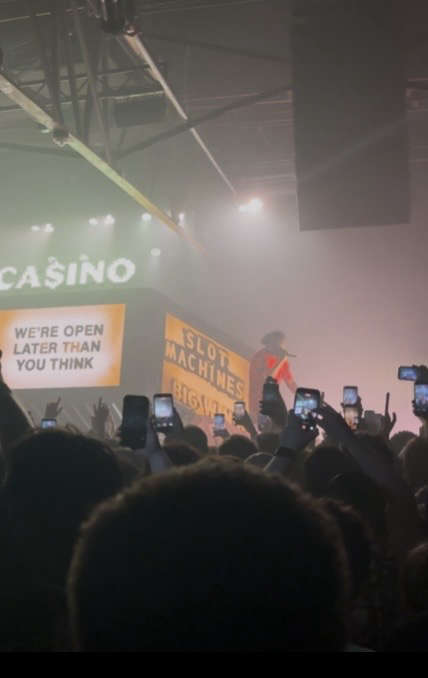
The art of going to concerts is often underestimated, yet it remains one of the most powerful ways to experience music. Listening to a song through headphones or speakers can be deeply personal, but a live performance transforms that experience into something larger, more visceral, and emotionally charged. Concerts are not just about hearing music; they are about feeling it in a shared space, surrounded by energy, anticipation, and connection.
One of the defining elements of concerts is the immediacy of the performance. There is no pause button, no rewind, and no perfect studio polish. Instead, there is spontaneity, rawness, and authenticity. Artists may alter melodies, extend instrumental sections, or interact with the audience in unexpected ways. These moments make each concert unique, creating memories that cannot be replicated by simply replaying a track. The imperfections and surprises become part of the magic, reminding listeners that music is a living, evolving art form.
Another reason concerts accelerate the musical experience is the collective emotion of the crowd. When hundreds or thousands of people sing the same lyrics in unison, the song takes on a new dimension. Individual feelings merge into a shared emotional current, amplifying joy, nostalgia, or even sorrow. This sense of unity can be overwhelming in the best way, making listeners feel understood and connected to something bigger than themselves. The crowd becomes an instrument of its own, adding layers of energy that no recording can capture.
The physical environment also plays a significant role in enhancing emotion. The vibration of bass through the floor, the lights synchronized with the rhythm, and the sight of artists performing just feet away engage multiple senses at once. This sensory immersion deepens the listener’s connection to the music, turning sound into a full body experience. It becomes impossible to passively consume the music; instead, one is fully present within it.
Ultimately, concerts accelerate the emotional impact of music by combining performance, community, and environment into a single moment. They transform songs from static recordings into dynamic experiences that linger long after the final note. While recorded music allows for convenience and repetition, live concerts offer something irreplaceable: the chance to feel music in its most immediate and human form. In that space, music is no longer just heard, but truly lived, leaving a lasting imprint on both memory and emotion.
This lasting imprint often reshapes how listeners understand the songs they thought they already knew. A track that once felt simple may reveal new depth when performed live, as vocal inflections shift and instrumental details become more pronounced. Fans frequently leave concerts with a renewed appreciation for the artist’s craft, noticing nuances that were previously overlooked. In this way, concerts do not just intensify emotion, they expand perception, turning familiar music into something newly meaningful and deeply personal.
Even long after the venue empties, the echoes of the performance remain vivid, carried in stories, videos, and the quiet hum of memory. Those moments continue to resonate, proving that the art of going to concerts is not fleeting, but enduring, shaping how music is felt for years to come in the hearts of those who go.